
I GO! Edition #12 From Samarkand to San Marco: A Journey Through the Silk Road, Intrigues, Diplomacy and Soft Power
This Week: Venezia, La Serenissima!
05/10/2025
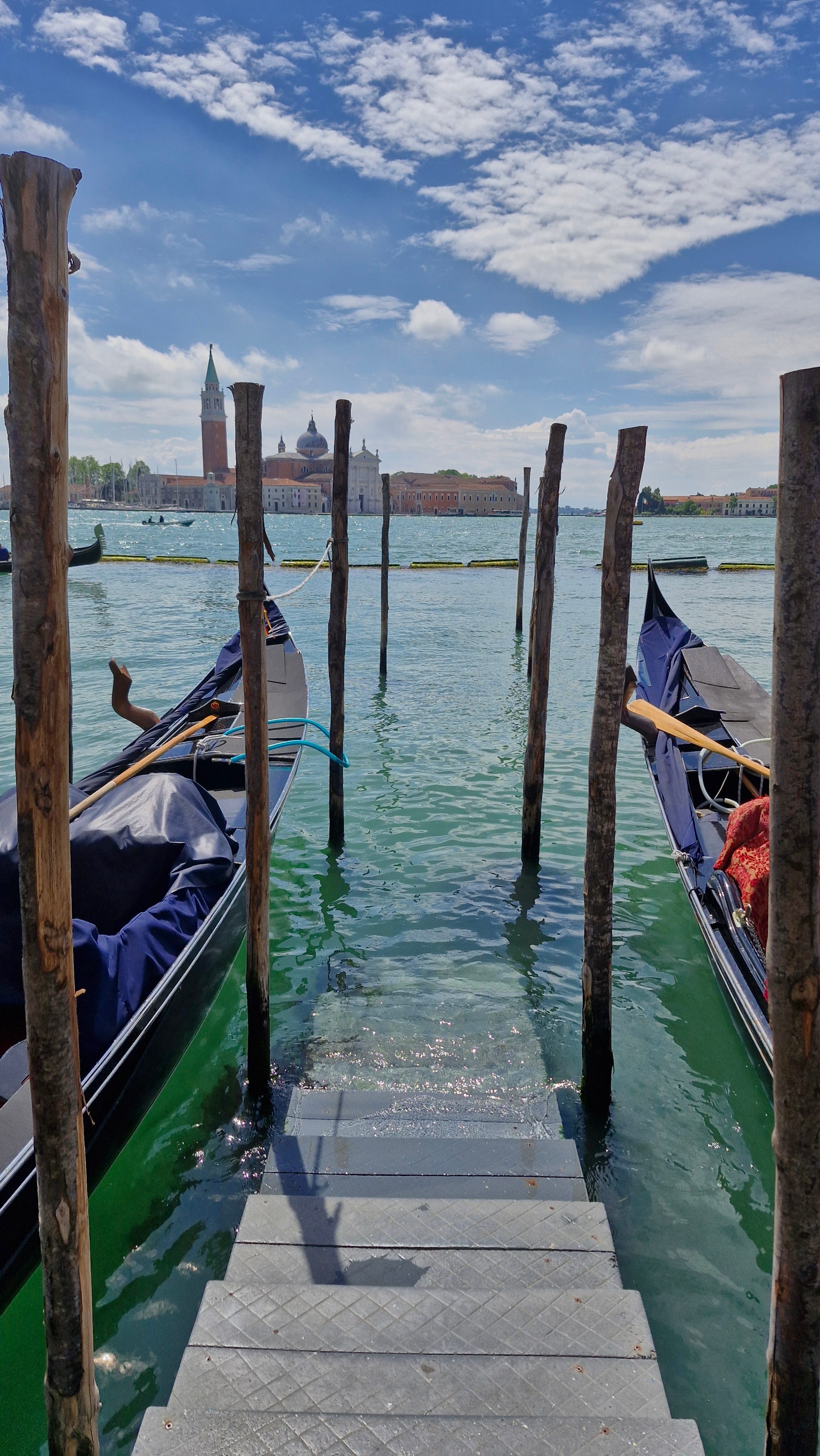
This past week, work engagements brought me to Venice, but, really, it was fate that I should find myself in one of the receiving ends of the Silk Road a mere few days after returning from Uzbekistan. After my Samarkand reverie, I entered another second state as I immersed myself in the rich tapestry of La Serenissima - its magnificence, its intrigues, its link to the East, its glorious past as a maritime superpower and as a geopolitical intelligence hub, the birthplace of modern diplomacy that knew way before everyone else that soft power – or using culture, branding and dialogue is the most impactful way to achieve peace & prosperity. Oh Venezia, you are my soul city…
Venice and Samarkand: Bookends Of An Ancient World Always Interconnected
The hypnotic geometry of the Registan. The turquoise domes shimmering under the sun. The stories and mysteries etched into every tile. In Samarkand and Tashkent, history was still living. Whispering through caravanserais and madrasahs, reminding me that we are part of something much longer than our news and political cycles, than our mere existence.
And then, in a heart-warming twist of fate — Venice, to present the Global Award for Sustainable Architecture™ 2025 and moderate the Sustainable Construction Talks by Saint-Gobain, held for the first time alongside the Biennale of Architecture. As Master of Ceremonies, I had the privilege of guiding a celebration of ingenuity, inventiveness, of architecture that dares to shape a better world — one grounded in community, legacy, and care. This resonated powerfully in a city that has been constructed against all odds. Venice itself is a story of adaptation and resilience.
An exclusive Club of Liminal World Cities
Venice’s timeless allure comes from its liminality (as expressed in a past edition of I GO!), its in-betweenness. A unique, magical place where East meets West. There is no firm ground, the milky, opal waters mirror the sky, and time bends into something fluid and poetic. The floating city invites visitors to also be somewhat suspended between myth and reality.
Like Samarkand, Istanbul, Fez, Jerusalem, or Kyoto, Venice is one of those rare, magnetic cities brimming with history and a deep, sophisticated, rich, culture that plunges you into a different space-time dimension. It was built by and for those with a wild imagination, able to feel stories and fantasies.
You don’t just visit it — you sensuously enter it, like slipping through a curtain into another, enveloping, warm, charming realm. Its spell is irresistible.
Venice: The Western Gateway
As a major maritime power, the Most Serene Republic of Venice served as the western terminus of the trade routes that connected Europe with Asia. The Venetian merchants who ventured eastward, brought back goods (pigments, spices, silk, exotic woods), but also know-how and cultural influences that would leave an indelible mark on Europe, from architecture to food, art and fabrics.
Marco Polo’s hometown took the best of the East, and absorbed, edulcorated, refined, and re-exported. Murano glass for instance, refined a technique originally from Persia.
"The Venetians had the genius to be powerful without being hated."
– Fernand Braudel, historian
The Power of Soft Diplomacy
What made Venice a superpower is its use of cultural exchange to enhance trade and navigate complex international relationships. The Venetian Republic's diplomatic strategies often involved the sharing of art, architecture, and ideas to foster alliances and mutual understanding.
The city mastered the art of balancing alliances, engaging with both the Holy Roman Empire, and the Islamic world (Byzantine, Ottoman Empires and the Mamluk Sultanate of Egypt etc) without fully aligning with any. Its long-term neutrality helped it thrive as a trade hub between Christian and Muslim worlds.
Masquerades, intrigues and mysteries…Venice, The Quiet Capital of Diplomatic Intrigue
“Venice is an island of reason in a sea of passions.”
– Henry James
Surrounded by rivals — Genoa, the Papacy, the Ottomans — Venice survived for a millennium thanks to its agile, pragmatic, and intelligent diplomacy, often preferring negotiation to war - profit over pride, seduction over aggression, inspiration over domination.
As early as the late 13th century, the Venetian Republic created permanent diplomatic missions, developed a powerful secret service and maintained detailed archives of diplomatic correspondence. The Relazioni were reports ambassadors wrote upon returning from their missions on foreign courts, on military capacity, local economic conditions, even social customs - valuable briefing notes that made Venice an early information superpower, a geopolitical intelligence hub. Even Venetian merchants were reportedly often informal spies.
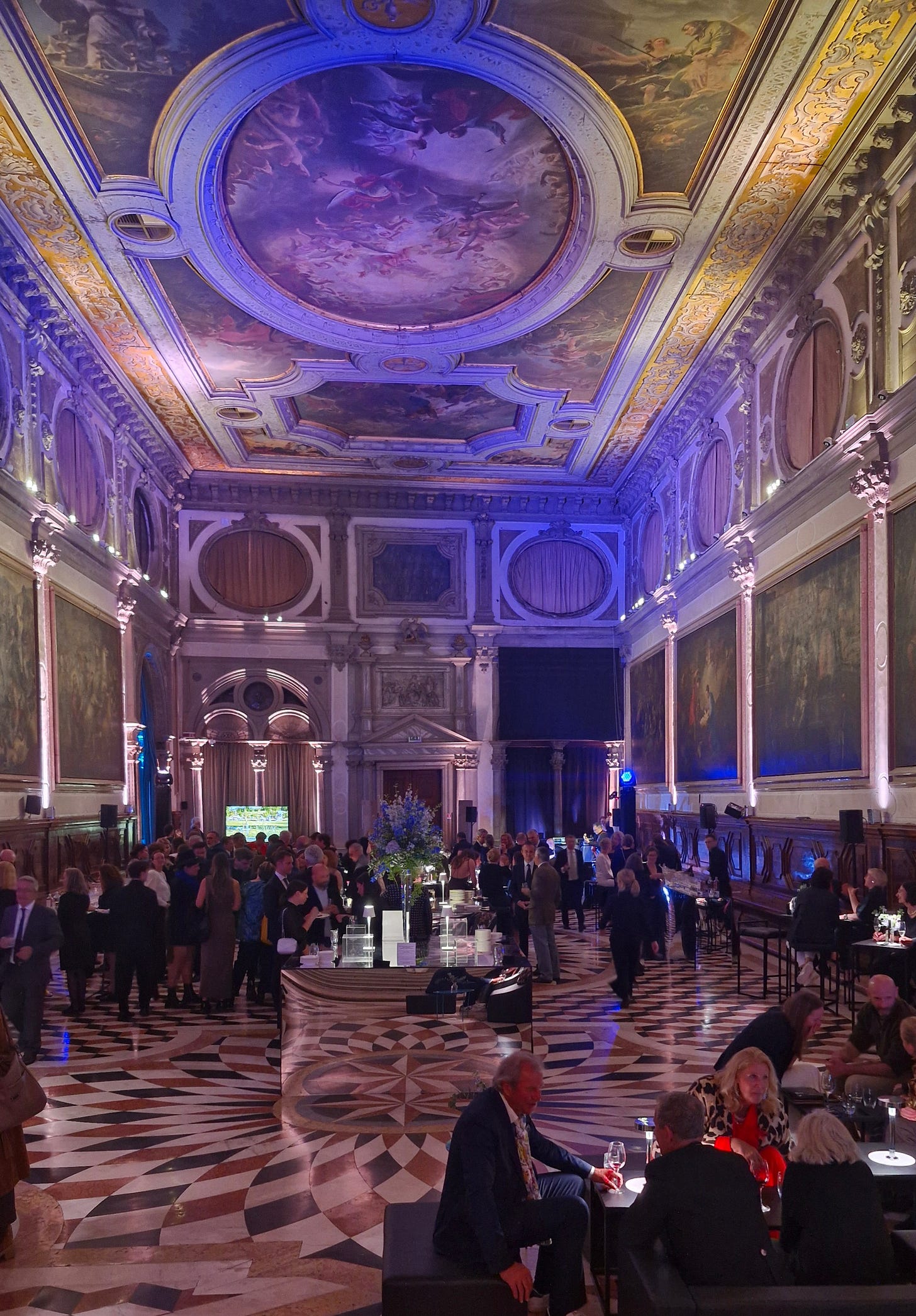
Venice also used its opulence and certain rituals to project power and legitimacy, a form of early soft power and diplomacy blending image, storytelling and political intent. It cultivated its image as a serene, divine republic influencing through beauty and subtlety, with gesture and strategy.
The Mystique of La Serenissima
The "Marriage of the Sea" Ceremony for instance was a highly theatrical ritual, a powerful display of performative diplomacy. Every year, the Doge of Venice would sail out into the Adriatic and throw a gold ring into the water, declaring “Desponsamus te, mare, in signum veri perpetuique dominii” — “We wed you, O sea, as a sign of true and everlasting dominion.” Highly symbolic and entertaining but also deeply effective — asserting maritime supremacy through ceremony and pageantry, not conquest. The Festa della Sensa is a tradition still pursued today.
“Seduction is always more effective than coercion, and many values like democracy, human rights, and individual opportunities are deeply seductive.”
― Joseph S. Nye Jr., Soft Power: The Means to Success in World Politics
Coined by American political scientist Joseph Nye, who passed away this week in relative silence, soft power lies in a country, a city, or an individual's ability to shape the preferences and perspectives of others through inspiration, with its art, architecture, traditions, education, ideas, and way of life.
In contrast to hard power — which uses economic or military might — soft power operates subtly, through the senses, the imagination, and shared human values, the heart and the soul. Soft power oozes feminine energy - and is underused.
Biennale of Architecture 2025
As the Biennale kicked off this week, a peep at the French and British (of course), US, Japanese and Pakistan Pavilions in the Giardini of Arsenale.
France’s was a thoughtful reflection on “living with” (“vivre avec”) by architect Eric Daniel-Lacombe (one of our guest panellists at the Global Award for Sustainable Architecture) or architecture’s capacity to address global challenges such as climate change, conflict, and instability, using natural, human, and artificial intelligence.
The British one was aesthetically pleasing. Titled “Geology of Britannic Repair”, it explored colonialism, the built environment and geological extraction. A bit like last year’s at the Biennale of Art, but not as poignant.
The American one, was, in contrast to the country’s turmoil, full of softness, thoughts on the different architectural and geological regions of such a vast country.
The Japanese Pavilion was so subtle and whimsy it failed to be noticeable, Pakistans’s ephemeral wood structure was a triumph of simplicity where it simply felt good to be.
That’s it from me this week!
Arrivederci e baci,
Charlotte
Subscribe to get new posts
Peakub is a home for creators, publishers, and teams to publish, grow, and monetize their work — all in one place. We're building a fast, privacy‑respecting platform that helps you focus on your craft while Peakub handles the plumbing — from content tooling to delivery and analytics.

I GO! by Charlotte Kan




Comments