

I GO! Special - Existential meritocracy: Is living fully a moral obligation?
How to survive today’s zombie “psychocalypse” and January’s algo-anxiety blues by waking up to the power of intentional living.
01/17/2026
This week: Abu Dhabi

“This life can be so cold, cold, cold
You know it doesn’t have to be that way
Treat life like a child would
And maybe this could be a place to play”
The 2 Bears, Get Together
Too much happened this week not to share it with you, dear audience - so here I am with a special edition of I GO!. After meeting so many inspiring changemakers at ADSW - people genuinely committed to making our planet a better place - I’ve renewed faith. And energy.
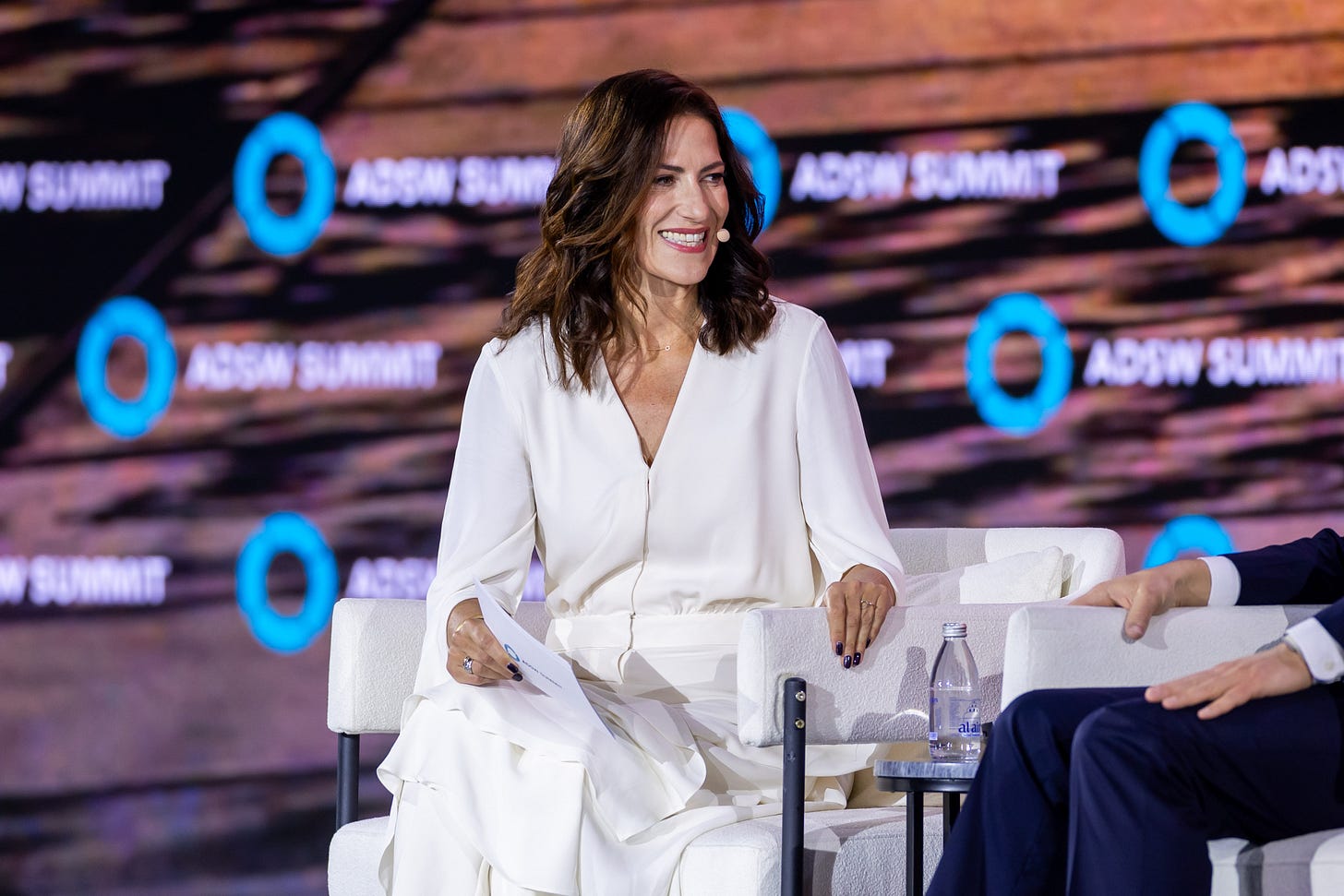
The sense of purpose, mission and agency of the changemakers I met made me reflect on why they are successful. (My own definition of success: fulfilling your dreams and helping others get closer to theirs, which is exactly what our inspiring guest Simon Squibb of helpbnk.com has set out to do.)
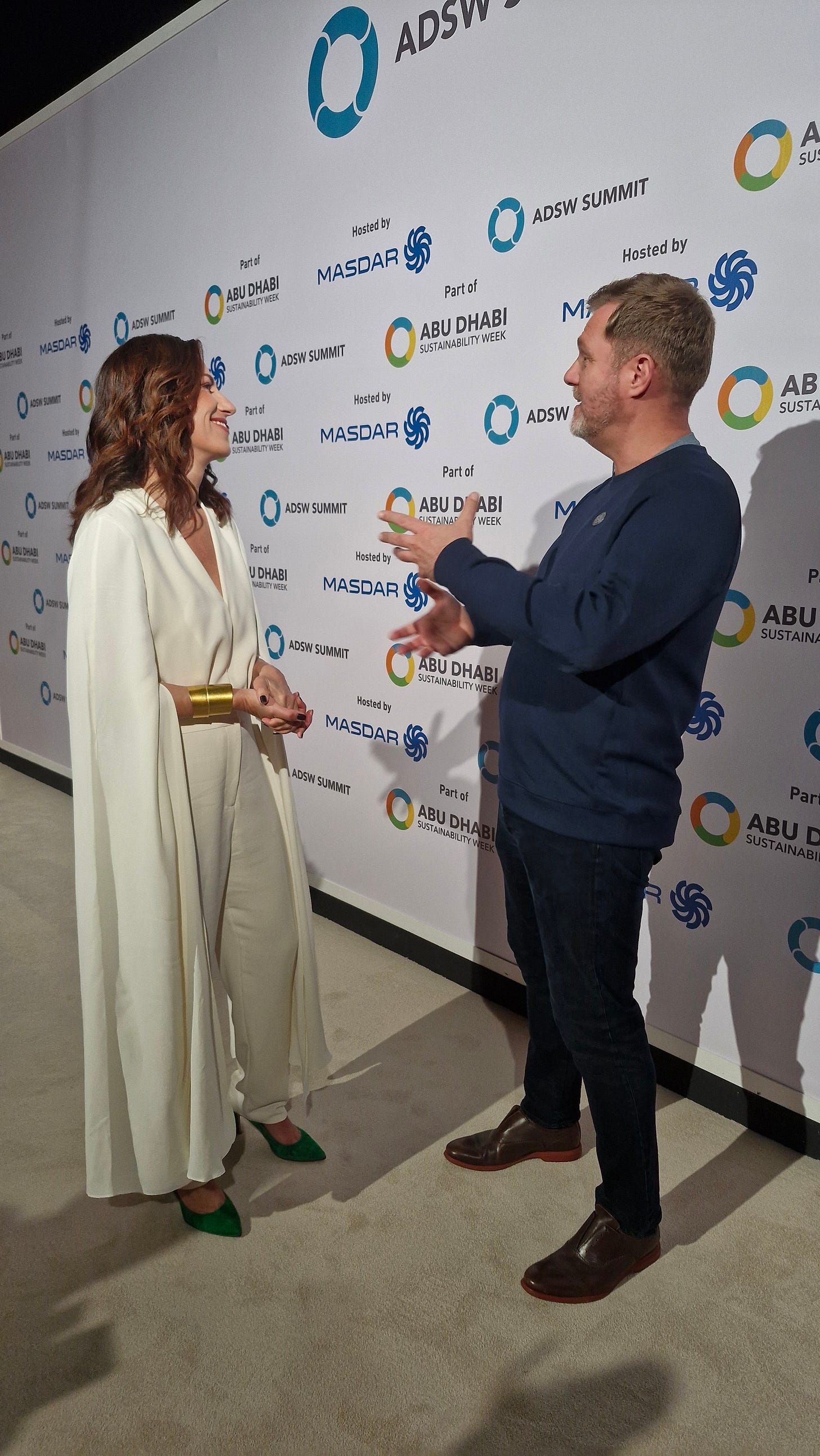
A key reason stands out: successful people do treat life as a precious, finite asset - something to be used fully, not postponed or endured.
Zombie psychocalypse
When you wake up - truly wake up, to consciousness - life can sometimes feel like a scene from 28 Days Later.

You step outside and walk into a zombie psychocalypse: people on autopilot, stuck in their heads, erring aimlessly, numbed, anxious, reactive, resisting life rather than engaging with it.
Three core premises:
1. Life is finite and non-repeatable
No rehearsal runs, no second chance. This is IT. To waste a non-renewable resource is neglect - and almost contempt.
And btw living fully does not mean pleasure-maximising. It means refusing to sleepwalk through a singular, dull existence.
In Aristotelian ethics, the good life is eudaimonia - flourishing - fully realising one’s human capacities through action, not thought alone. A good life is something you DO, not something you wait for. It requires an active approach.
2. You are not morally isolated
Your way of being ripples outward. A person who lives half-alive - numbed, resentful, disengaged, self-centred, anxious - doesn’t only harm themselves. They transmit fear, normalise apathy, and shrink what others believe is possible.
Conversely, someone who is alive, present, curious, engaged raises the emotional temperature of their environment. They model agency. They lift others.
Vitality is contagious. So is despair.
As Hannah Arendt argued, there is a fundamental difference between mere biological survival and vita activa: participation, speech, action, appearance in the world. Withdrawal impoverishes the shared world.
3. To be alive is an unearned privilege
You did not earn consciousness. You did not earn being born into this moment of history. You did not earn the capacity to think, feel, choose.
When something is given without merit - something many never received or was taken away prematurely- there is an implied responsibility in how it is used.
This is the core of Jean-Paul Sartre’s claim that we are “condemned to be free”: you cannot escape choice. Living in bad faith - self-deception, passivity, blaming circumstances - is ethically problematic because it denies responsibility for one’s own existence.
Living fully is a way of honouring the fact that you are here at all.
Uncertainty: the zeitgeist
Just days before Davos - where I’m heading soon - the World Economic Forum’s 2026 Global Risks Report reminds us that the watchword everywhere is “uncertainty.”
Hold on.
When did certainty ever truly exist? The idea that there was once a stable, predictable world is a retrospective illusion. Reality has always been in motion. Every situation is unique - the result of millions of variables colliding once, and never again in the same way.
“We live in terrible times,” say the most comfortable, well-fed, over-connected generations to ever walk the Earth - and the ones who will live the longest.
Nostalgia for what, exactly?
Yes, climate change is real. Yes, the world is complex and moving fast today. Mass conflict is a possibility. But today’s generalised doomism feels indulgent. And deeply unhelpful.
Life is a video game
They say meeting your hero is not always a good idea. Well - not only did I meet one of mine, I introduced him on stage.
Mo Gawdat, former Chief Business Officer of Google X, is on a mission to make one billion people happier - a journey sparked by the devastating loss of his son Ali.
Mo changed my life years before we ever met.
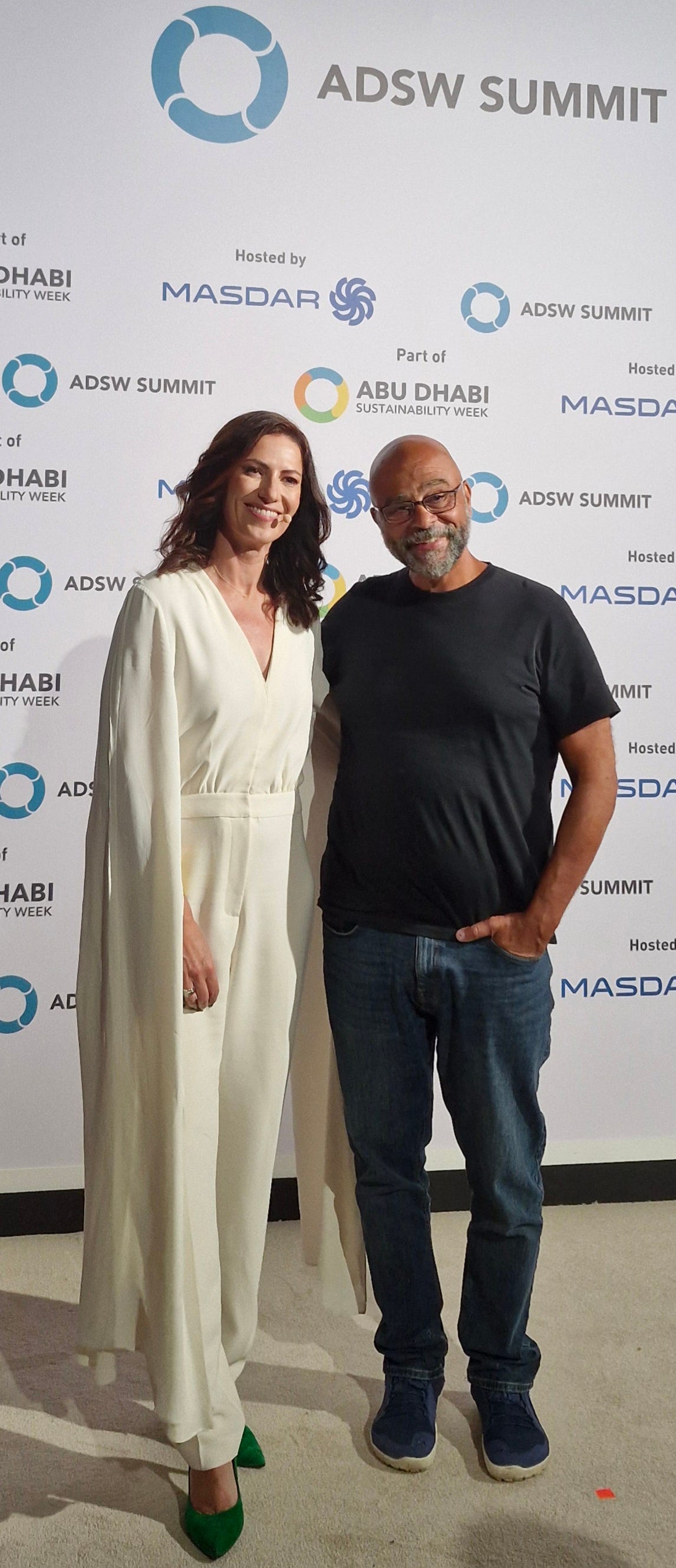
As I approached my forties, existential dread crept in - and I stumbled upon his deceptively simple idea: life is like a video game:
You are in a system, a dimension and you are the player, not the character. Your body is an avatar, your consciousness belongs to something much greater.
The hardest levels are where growth happens.
Don’t rush to the end. Meaning and joy isn’t waiting at the finish line - it’s everywhere. It’s now.
Seek flow, not control. Presence. This will enhance your performance. And the joy.
Life has rules - and randomness.
His book, Solve for Happy, is absolutely worth your time.
So now - step back from the news and the algo-anxiety. Take a breath. Look around you. Reconnect with what’s actually real.
And please - get out of your heads and go find that joy today.
With care, a pinch of tough love, but much compassion,
Charlotte
Subscribe to get new posts
Peakub is a home for creators, publishers, and teams to publish, grow, and monetize their work — all in one place. We're building a fast, privacy‑respecting platform that helps you focus on your craft while Peakub handles the plumbing — from content tooling to delivery and analytics.

I GO! by Charlotte Kan




Comments