
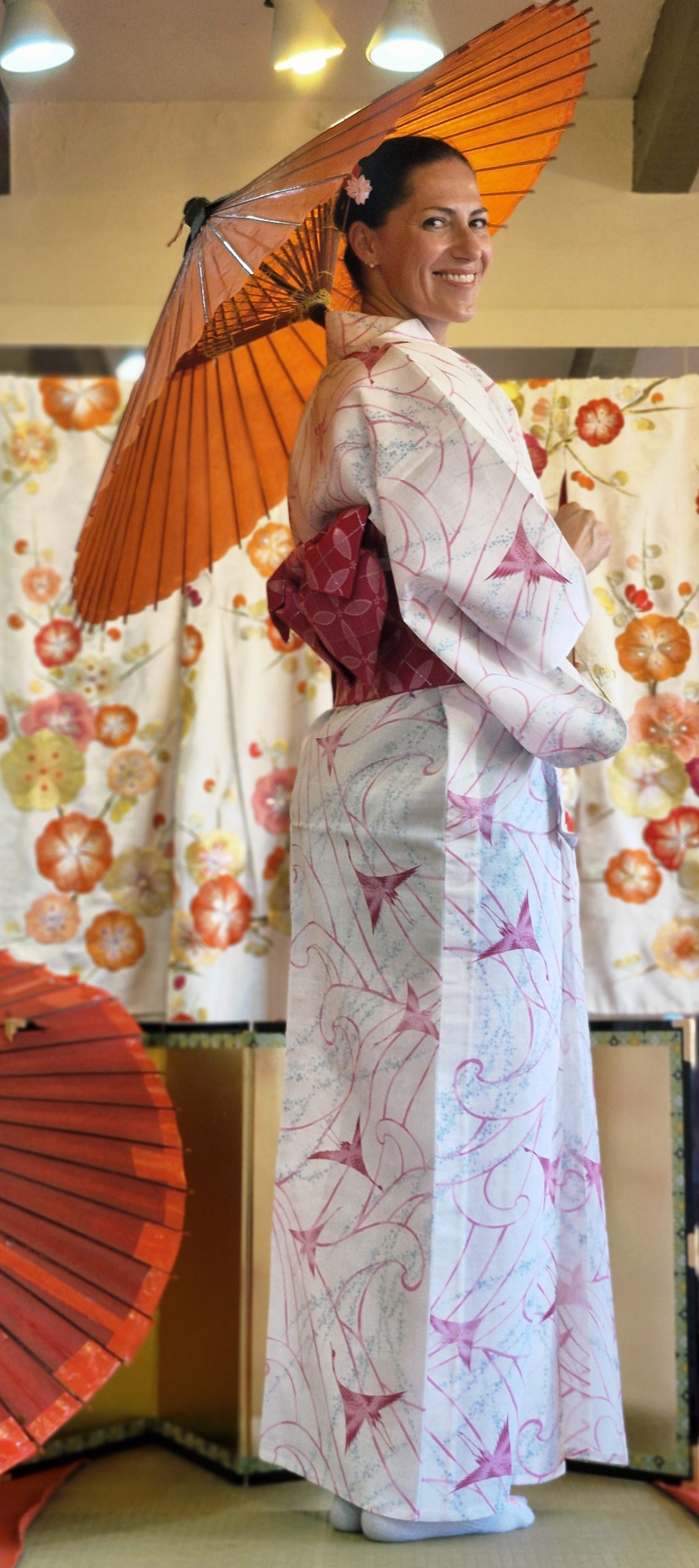
I GO! | Edition 22: Torii Gates, Summer Festivals, Hossō Buddhism and the Mind’s Smokescreen & Mirror
This week: Kyoto – Nara – Osaka: A sacred, sweltering, sensory dive into Japan’s cultural heart.
07/27/2025
“Tokyo may have more money and Kyoto more culture; Nara may have more history and Kobe more style. But Osaka has the biggest heart.” — Vikas Swarup
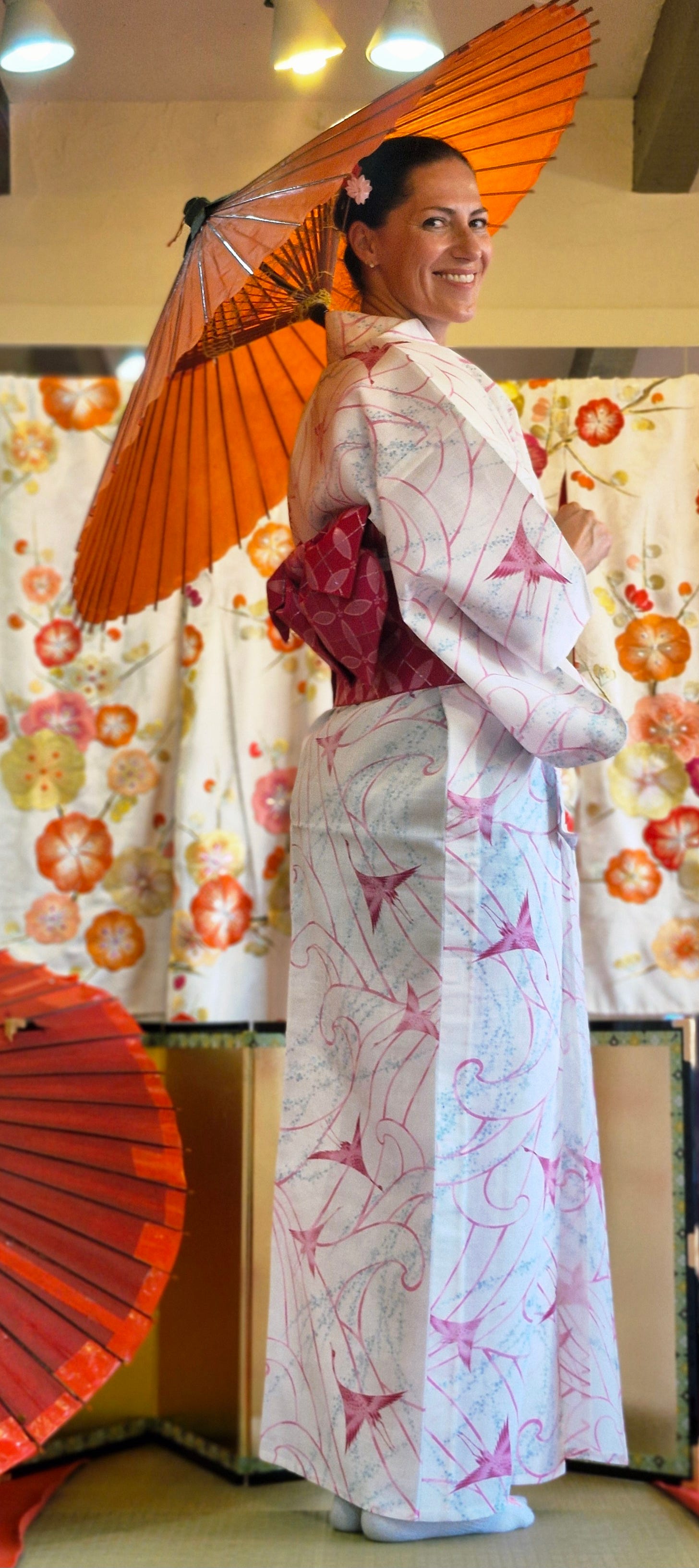
Kyoto is one of those places you must see before you die
Week 2 of our month-long journey across Japan (and Korea). After Tokyo and the seaside resort of Kamakura, we headed to the former imperial capital of Japan (actually Kamakura was also one for a time, as well as Nara!), home to over 1,600 temples and shrines. We saw fewer than ten (albeit the most spectacular UNESCO-listed ones!) in just 2.5 days, walking dozens of kilometres beneath a blazing 36°C sun.
We cooled down with kakigori (shaved ice), matcha ice cream (sprinkled with gold at Kinkaku-ji!), and soaked in the beauty, poetry, and Zen spirit of it all.
Kyoto is filled mostly with Buddhist temples, especially from the Zen (Rinzai & Sōtō) traditions. You’ll also find Pure Land (Jōdo), Shingon, and Tendai temples—like Chion-in, Kiyomizu-dera, and To-ji.
A quick note:
Temples (寺, tera or dera) = Buddhist
Shrines (神社, jinja) = Shinto
Shinto is Japan’s indigenous animistic religion - where even rice balls, cooking utensils, and toys can become sacred (as seen in last week's edition). I find the idea of worshipping everyday objects, thanking them for their service, so deeply ‘kawaii’ (cute) and poetic, a practical way to express gratitude for all our comforts.
Shintoism is grounded in everyday life - providing emotional support to people with regards to fertility, health, exams, business, or love - while Buddhism offers tools for inner work, funerals, and reflection on our existence. Most Japanese people engage with both, fluidly and without contradiction, favouring harmony over dogma, layers over the linear. Very Nippon and I love that.
In Kyoto, we ticked the tourist boxes, and more:
Fushimi Inari Taisha – Climbing Mount Inari at dusk through thousands of its famous vermilion torii gates felt both surreal and very special. With sweeping views of the hills surrounding Kyoto, we watched the sun set among hundreds of other pilgrims—completely magical.
In the expansive Kiyomizu-dera perched up the lush hills, we wandered beneath hundreds of furin (wind chimes), each carrying whispered wishes.
A special mention for Kennin-ji Temple – Its serene Zen gardens and dragon-inked ceiling left a deep impression.
Kinkaku-ji (The Golden Pavilion) – Shimmering in gold leaf, surrounded by tranquil gardens, was quite a sight...
We also enjoyed the tranquil, canal crossed old quarter, the chilled riverside bank walks and of course the very lively Pontocho alley packed with bars and restaurants.
A Pause at the Onsen
I love the onsen - the natural hot springs that can be found in most traditional inns (ryokans) where you get to bathe naked in minerals rich waters (most Japanese towns and cities also have public onsens). Somewhere between Kyoto and Nara, temple fatigue hit. So we detoured into the mountains for a hot soak for our tired feet and fried souls. Bliss.
NARA: The Mind’s Mirror
Another former imperial capital, Nara’s star is Tōdaiji Temple—home to the Great Buddha (Daibutsu), the world’s largest bronze Buddha statue, housed in one of the world’s biggest wooden structures. Tōdaiji is the centre of the Hossō school of Buddhism, rooted in Yogācāra philosophy. Its central teaching?
“All phenomena are nothing but mind.”
In essence, the world we experience is a simulation. Sort of. It is a projection by our consciousness, shaped by memory, karma, and perception. A mist of judgement and beliefs covering the mirror of reality. In modern psychology we call it the ego, this representation of the self. A construction - that you can learn to deconstruct to live better.
This is very empowering. If we clean the mirror, we can see clearly. If we change our mindset, we can change our world. Understanding that forms the basis of the full consciousness journey.
OSAKA: Fireworks, Food & Festival Heat
Japan’s third-largest city, Osaka is bold, bustling - and believes deeply in fun. It’s a major business hub, but also Japan’s food capital. Osaka boasts the highest number of eateries per capita in Japan, and many say the best street food in the country.
At the street food heaven of Kuromon Market, we enjoyed a breakfast of sashimi, rice bowls, and seafood crackers bigger than my face.
Osaka’s famous Dotonbori Street is a bit of a tourist circus at night but still, so much fun to try its famous street fayre - takoyaki (octopus balls), okonomiyaki (savory pancake), or kushikatsu (deep-fried skewers), washed down with local draft beer or saké of course!
And it gets pretty sexy at night in the whole Namba district of Osaka's Chuo ward, with lots of hostess clubs, “maids” bars and pretty rent boys advertised in the streets…
A dream come true: attending the Tenjin Matsuri festival.
On Friday 25th, we stood for hours in the 35°C heat to hold our viewing spot (sweaty but worth it) as brass bands, drummers, dancers, and various local corporations dressed in traditional outfits, emerged from the Tenmangu Shrine for the annual summer festival of Tenjin Matsuri to carry sacred relics.
Later, we strolled by the river, devoured street food (tyakitori & grilled mochi with sweet soy sauce, an acquired taste that I certainly have) and watched fireworks and a drone show from one of the city’s bridges.
This trip is a dream come true. Every day bringing its share of unexpected discoveries and different vibes, my fourth trip to Japan but a completely different experience this time round. Until next week, with universal love (especially as I post this from Hiroshima), Charlotte x
Subscribe to get new posts
Peakub is a home for creators, publishers, and teams to publish, grow, and monetize their work — all in one place. We're building a fast, privacy‑respecting platform that helps you focus on your craft while Peakub handles the plumbing — from content tooling to delivery and analytics.


I GO! by Charlotte Kan




Comments