
I GO! Edition 28: An Empire State of Mind We are all empire-builders. The stories we tell others and ourselves are illusions we have created and end up believing. Build your own myth, shape reality.
09/21/2025
“Empire has been the world’s most common form of political organisation for the past 2,500 years. Most humans during these two and a half millennia lived in empires,” Yuval Noah Harari - Sapiens.
This week: Warsaw - Gliwice - Krakow - London - New York
On my way to New York after a week in Poland and a pit stop in London, I’ve been reflecting on the theme of the Luxembourg Investment Forum I’ll moderate in October: the return of Empires.
The Unbearable Heaviness of History
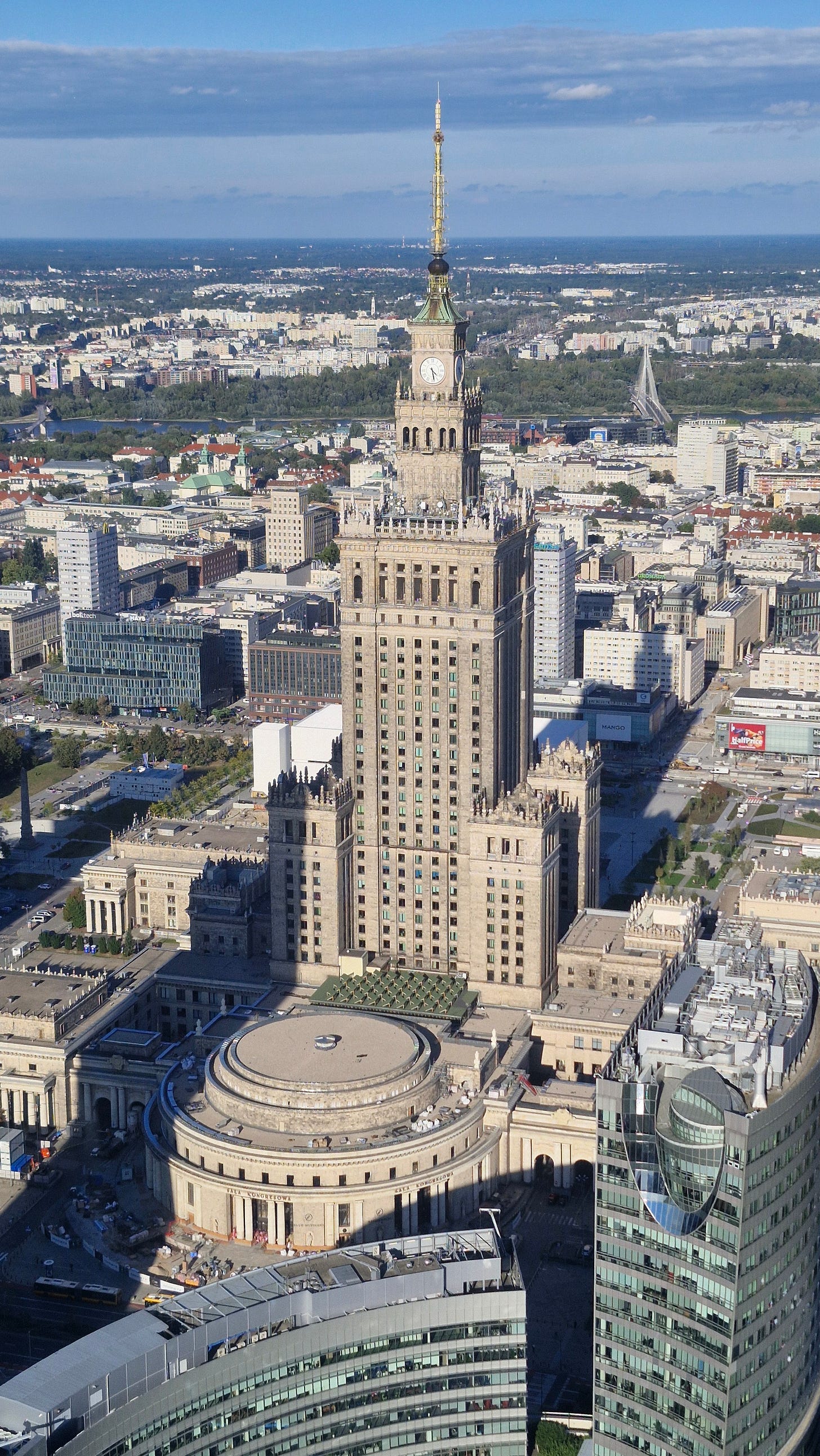
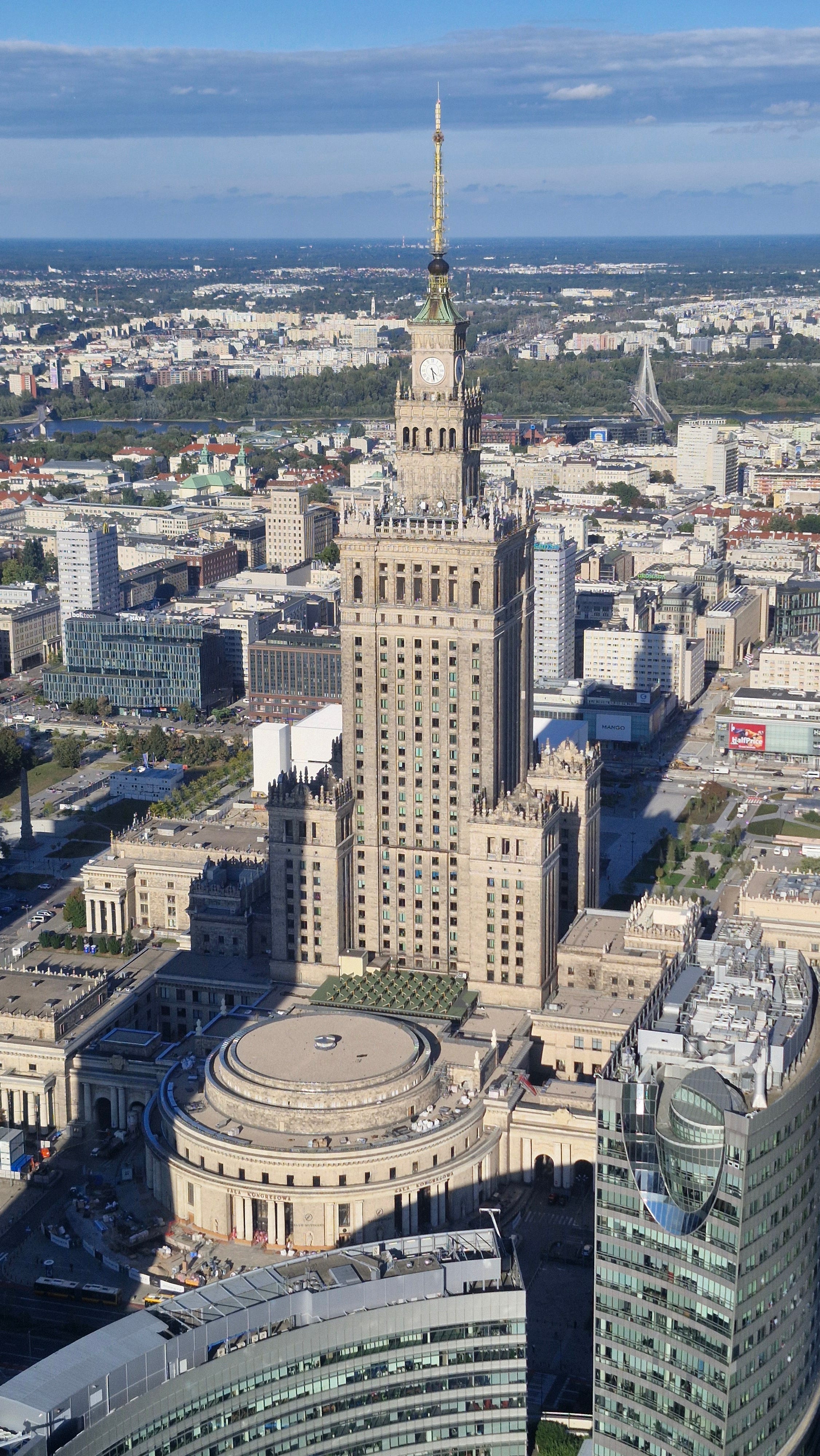
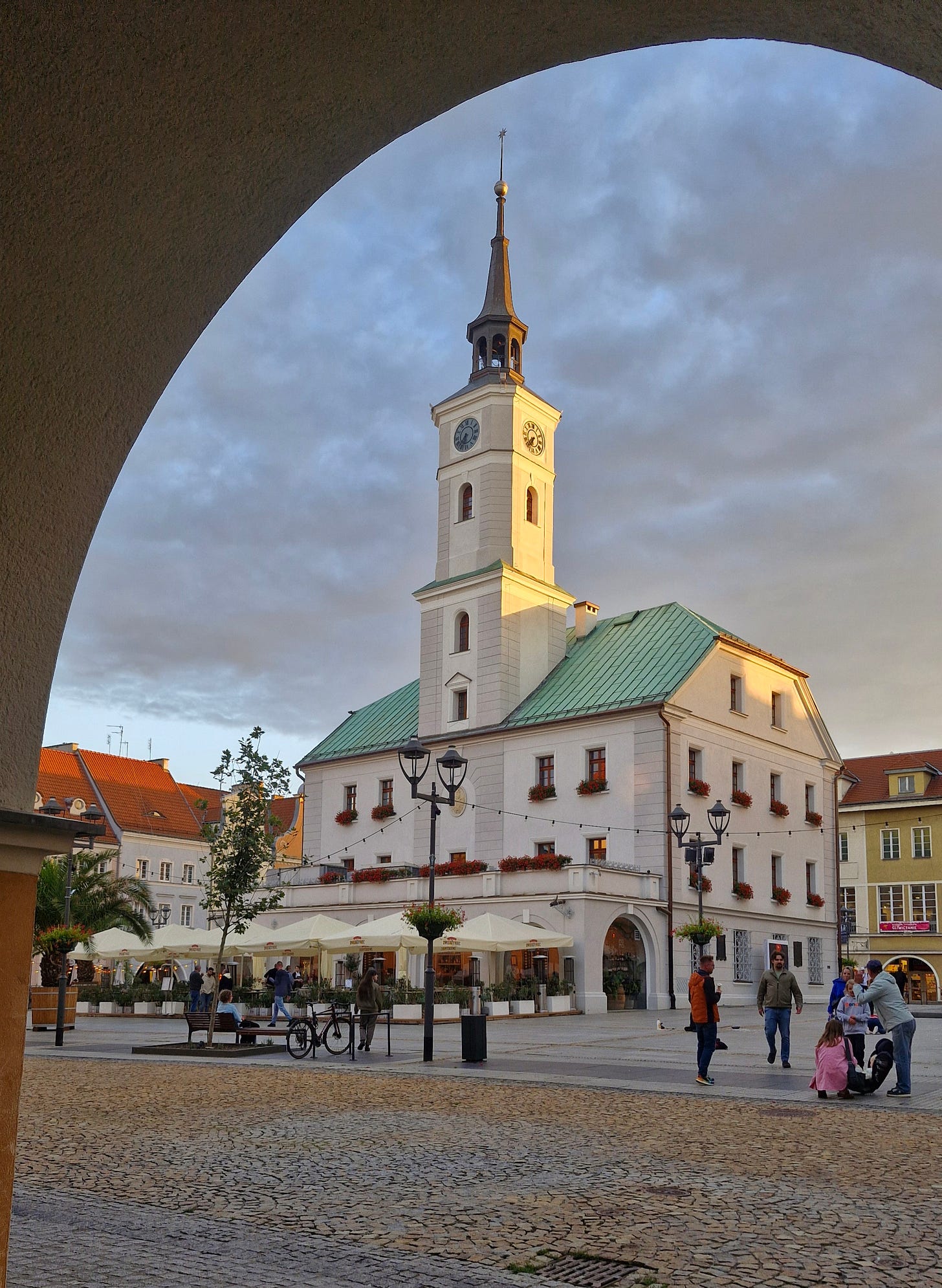
It was my first visit to Poland - the skyline of Warsaw punctuated with shiny towers and the green belt around Krakow with suburban developments, piercing and dotting the horizon with optimism and ambition, in the country so battered and scared by imperialisms in the past.
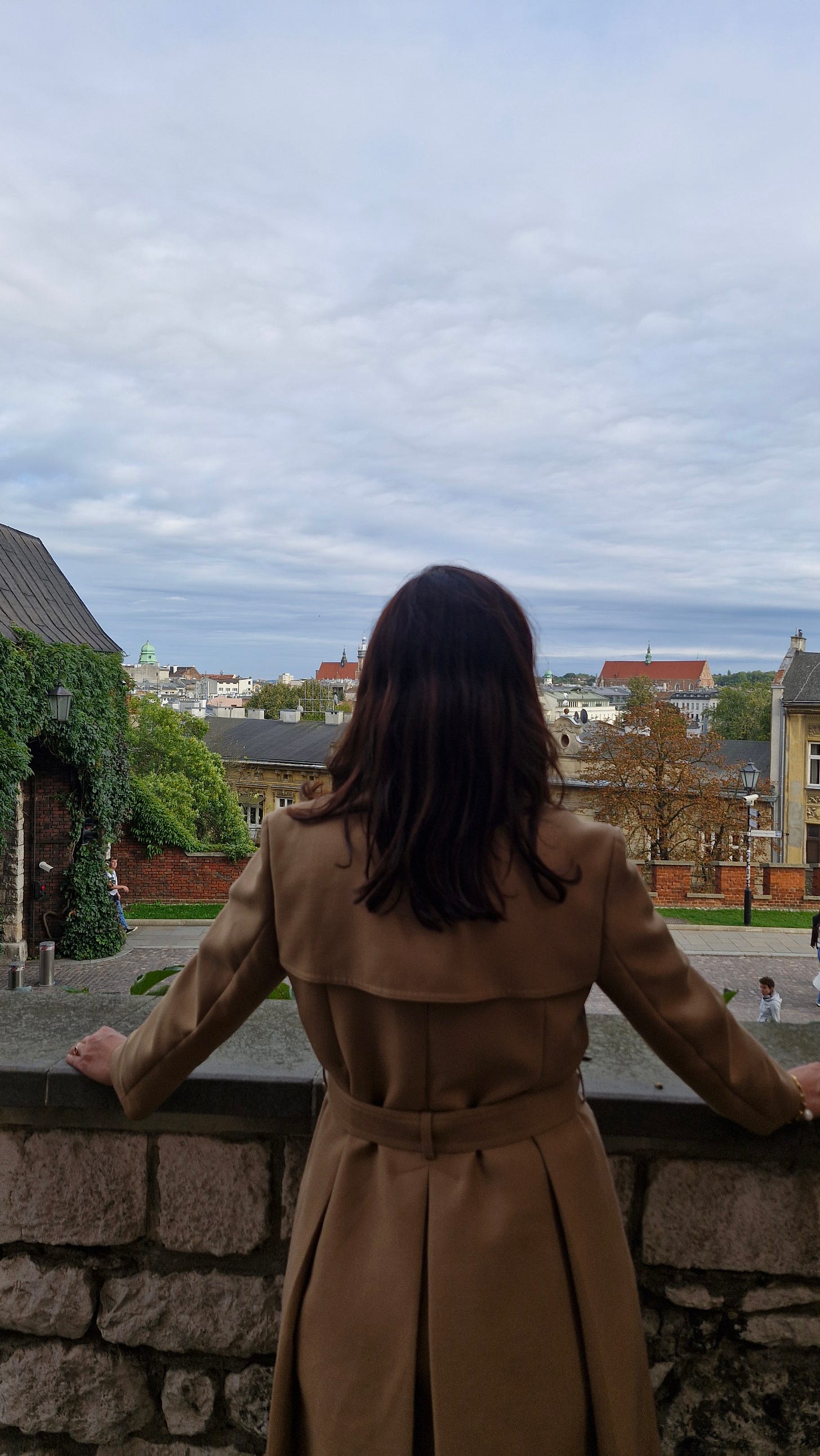
And as I stood (regally, an inside joke with my film crew) on top of Krakow, its neogothic churches and Renaissance palaces glistening in the autumn sun, contemplating the layers of history still visible in the city, the train tracks in the distant countryside leading to the most abominable horror, the brutalist monumental architecture in Warsaw before that, the troubled geopolitical context, it suddenly dawned on me at that precise moment that in the midst of it all, I am building my own empire.
That we are all, individually, building our own empires.
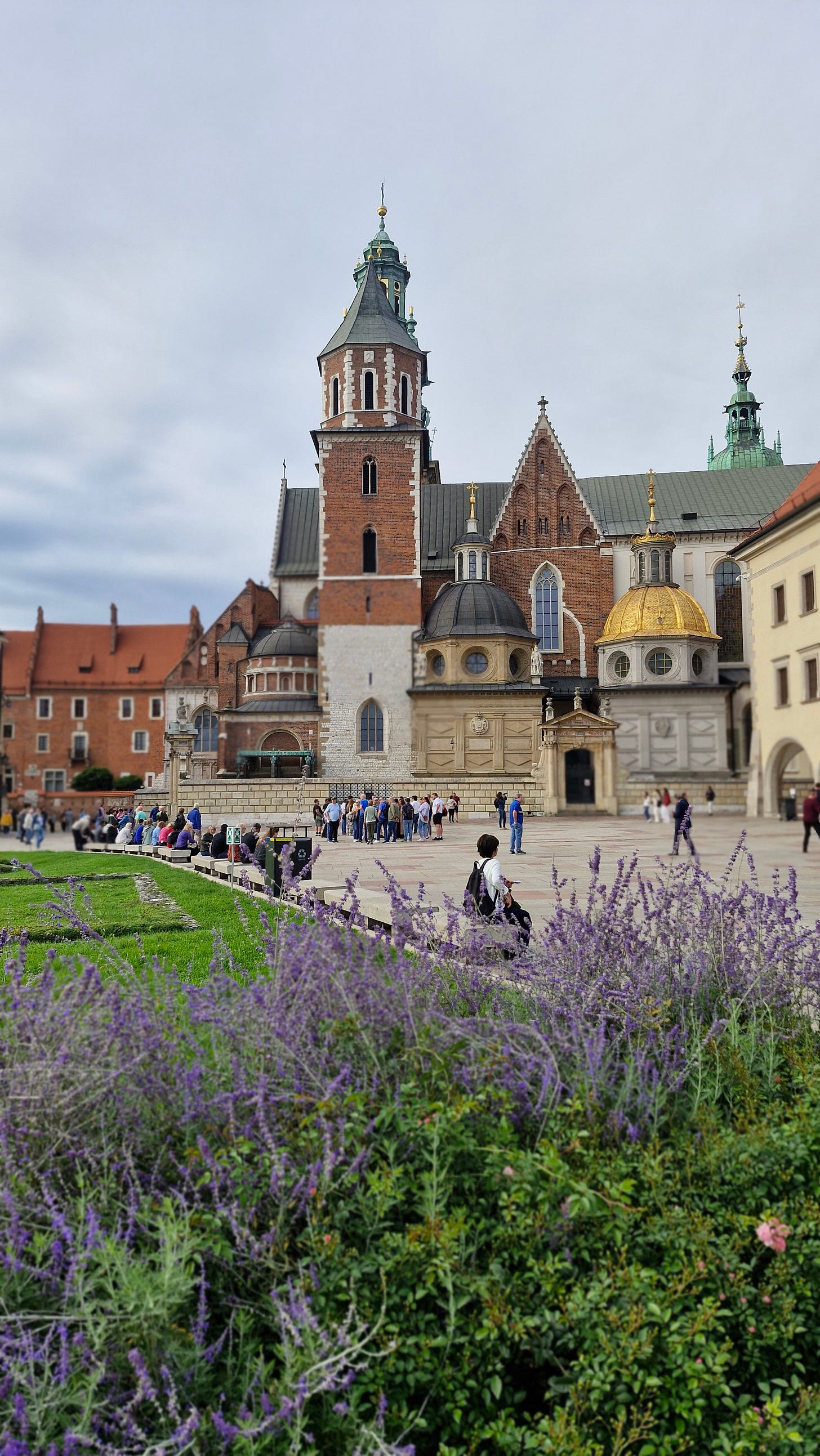
Our own universes filled by beliefs, aspirations, dreams of glory, conquests and domination, many fought battles, boundaries to defend, and the need to transform and adapt or decay. And, inexorably, that it will all crumble away. Pagan temples become chapels, chapels become mosques, mosques become museums. Monasteries turn into schools, prisons into hotels, brothels into respectable tourist restaurants.
Gone, but not without traces, subtle prints, sights, impressions - a mount where once stood a mountain.
Just An Illusion
Yet empires' foundations are built on nothing. Nothing more than words, stories. Stories about themselves that they tell others. Stories powerful enough they shape reality.
In Sapiens, Yuval Noah Harari argues that empires have been central to humanity’s capacity to cooperate at scale and the most successful form of political order in human history.
Empires create and sustain what Harari calls “imagined orders” - shared myths that bind millions of strangers into one system.
Money, religion, universal values are the “fictional” glue that lets them expand and thrive.
The Empire Strikes Back
For decades after 1989, we lived in that 'unipolar' moment: U.S. dominance, unmatched militarily, economically, culturally. Today:
China now accounts for nearly 19% of global GDP (PPP; IMF data).
India has become the world’s fastest-growing major economy, a decisive player in Asia and beyond.
The BRICS 20 makes up nearly 44% of the global economy (PPP; IMF data), nearly on par with the G7.
Regional heavyweights like Türkiye, Saudi Arabia, and Brazil are asserting their reach. Middle Powers like Kazakhstan are growing their influence.
Is it a “multipolar” world or an old empire model with blocs competing for territory, resources, technology, and above all, influence? And don't they all propose (or assert) something better?
Rome didn’t just conquer just with legions; it convinced people across three continents to see themselves as its citizens, united by law, Latin, roads, and rituals. There was a promise of progress.
The British Empire extended beyond trade routes and gunboats; it was also a story about “civilisation” of technological advances.
The American “empire” of the 20th century is built on dreams of freedom and opportunity.
And of course empires are not just geopolitical. In the 21st century, “empire” isn’t purely territorial conquest. It’s economic, cultural, technological. Control/influence over supply chains, over media & narratives, over trade, over resources and logistics.
Apple, Meta, Microsoft are empires of technology with loyal citizens (users) and their own rituals (product launches, design aesthetics). Social media creates online empires.
Isn’t climate action, that will be so much in focus this week in NYC, an emerging global “empire” of values, binding states, corporations, and citizens under the shared belief that we can and must act together?
So what is your own empire's story? Your origins, roots, identity, your values worth fighting for, your networks & strategic alliances, the means at your disposal, your technology or weapons, the big, unifying vision? What do you need to conquer or fight to get there? What is the story you tell yourself - and others?
How about approaching our lives more strategically, intentionally, deciding what to conquer, what to preserve, what to expand?
Your life is an empire to build.
Subscribe to get new posts
Peakub is a home for creators, publishers, and teams to publish, grow, and monetize their work — all in one place. We're building a fast, privacy‑respecting platform that helps you focus on your craft while Peakub handles the plumbing — from content tooling to delivery and analytics.


I GO! by Charlotte Kan




Comments