
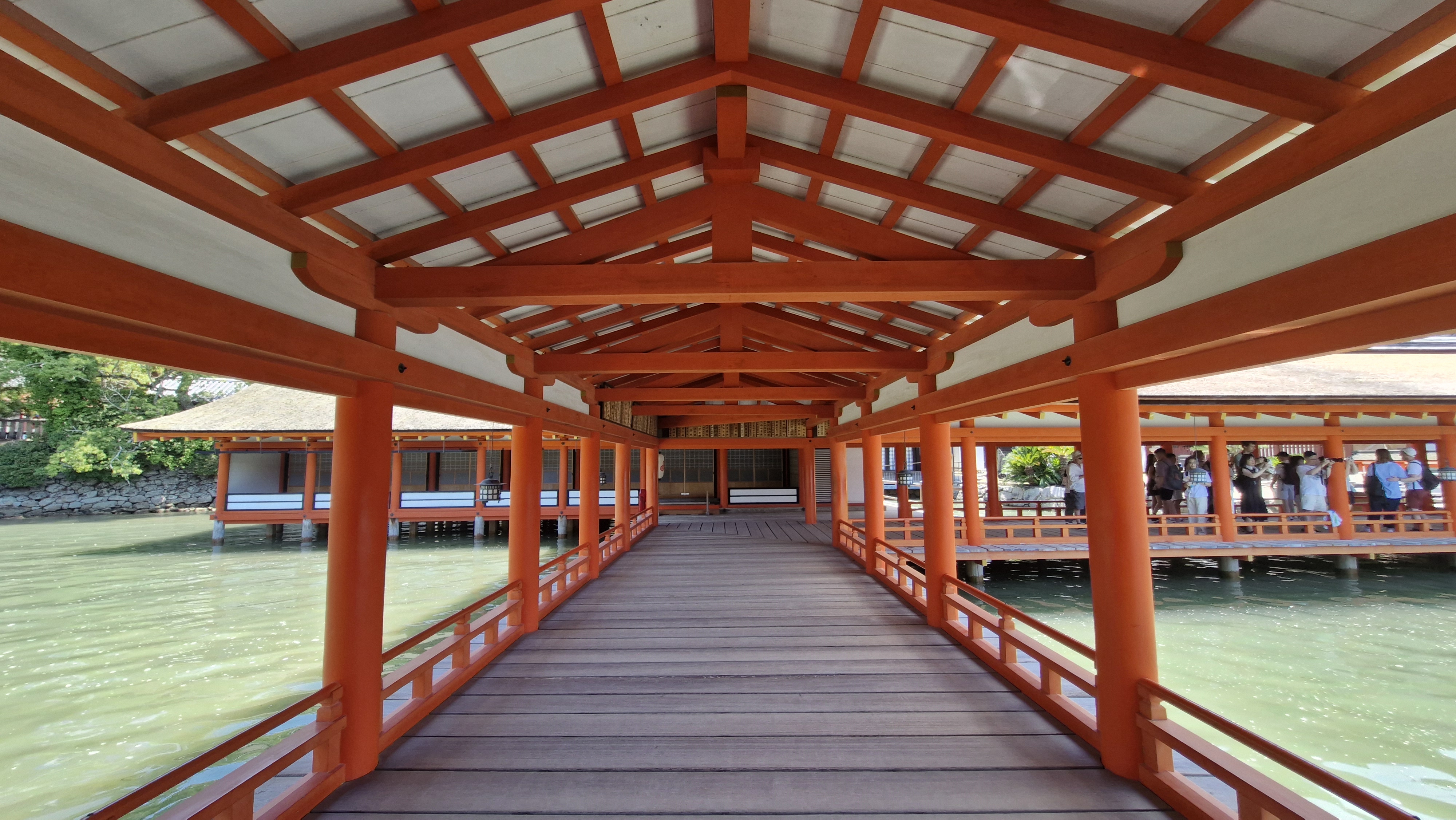
I GO!#45 Back to Miyajima and the flame that never goes out
In esoteric Shingon Buddhism, fire is purification: the destruction of illusion or ego to become presence.
05/24/2026
“The glorious mind, the most secret and sacred is, ultimately, to realise one’s own mind in its fountainhead and to have insight into the nature of one’s own existence.” Kūkai
This is the oldest fire burning in Japan.
This week, my heart sank upon learning that the Reikadō Hall on Mount Misen where the Kiezu no Hi -“the flame that never goes out” - located on the sacred island of Miyajima near Hiroshima, had been destroyed by a fire.
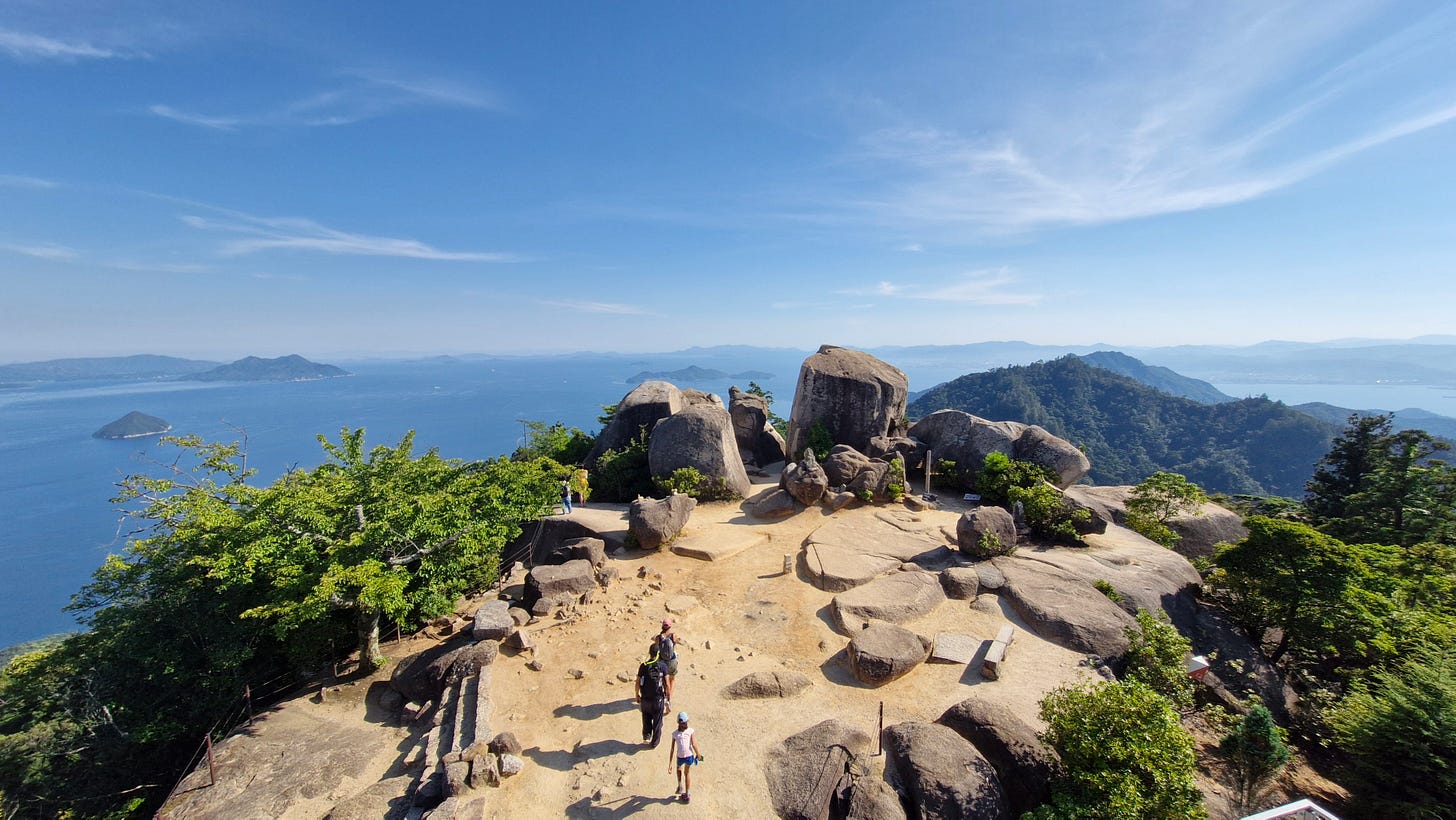
The news sent me back to last summer, when, during a month-long Japanese odyssey, our family made the climb up Mount Misen in suffocating heat (nearly 40 degrees), after first taking the cable car to as close as possible to the summit. We reached the hall after a painful ascent (punctuated with expletives, tears, empty threats and curses) to see the flame, said to have burned continuously for nearly 1,200 years since it was lit by the monk Kūkai, founder of the Shingon school of Buddhism.
I remember staring at it, transfixed, trying to untangle all the powerful emotions and thoughts in my head, that sense of awe, before we all whimpered our way back down the mountain on shaking legs, exhausted. It felt - it was in fact - a pilgrimage. The entire day remains a precious, lifelong, memory.
[Update: Fortunately, the sacred flame, used to light the Flame of Peace at the Hiroshima Peace Memorial - and which will remain lit until every nuclear weapon has been disarmed - has reportedly been preserved. As for the hall, it was a replica anyway - it had burnt down previously, the most likely culprit the sacred flame itself...]
We fell completely in love with Miyajima - the lush, sacred island of the gods, where the bright vermillion torii gate of Itsukushima Shrine floats on the sea, like a mirage.
At night, after the last ferry carries away the hordes of day-trippers, the island is transformed: the air goes quiet - but for the exuberant cicadas. It becomes intimate, calm: dreamlike. People stop talking and start hushing. The lucky overnight visitors and residents share the empty streets with packs of (hungry, thieving) deer.
Under the warm summer stars and moon, we walked through the shallow waters around the great torii gate, our feet sinking into the sand as the tide retreated.
We stayed in a charming family-run ryokan where a delicious and delicate seasonal dinner was served on the tatami mats of the room where we all slept on futons on the floor, in an endless procession of dishes.
Our children took turns to ring the gong of peace at Daishō-in Temple with its sumptuous gardens and Koi ponds. They were very solemn and seemed reflective, and it felt like a poignant moment... My fast-growing teenage boys and their little sister always clinging on to one of them - our last summer altogether (or so we thought...). We were all feeling a bit tender, hearts still heavy after the harrowing stories heard earlier at the Peace Museum in Hiroshima.
We also pushed rented bicycles up impossibly steep hills beneath the blazing sun, alone in less explored parts of the island, as the other tourists and locals were more sensible, dodging wasps, mosquitoes and even a snake, but were rewarded with amazing views of Hiroshima Bay, and swims in crystal-clear waters (shame the heavenly beach was covered in plastic waste). In the evening, to recover, we rested our tired legs and toasted life with ice-cold Sapporo beers and saké on the (cleaner) beach opposite our inn with the children splashing in the sea.
Some places are vortexes. They become vessels, conduits for moments of extraordinary aliveness, of profound connection to the whole, the source, the universe, whatever we may call it. Everything becomes more vivid and makes sense.
Those moments require surrendering. Allowing.
And I have spent most of May deliberately channeling this feeling. Slowing down. Letting things in. Being tender enough to forget, for a while, about the performance, the hustle, the ambition.
Japan understands impermanence better than perhaps any civilisation on Earth - perhaps that is why I love it so much. Fires, earthquakes, tsunamis... Life destroys - they rebuild.
Sending you all much love, and wishing you all an eternal flame and many summers that feel like they should never end.
With le feu, sacré,
Charlotte
Subscribe to get new posts
Peakub is a home for creators, publishers, and teams to publish, grow, and monetize their work — all in one place. We're building a fast, privacy‑respecting platform that helps you focus on your craft while Peakub handles the plumbing — from content tooling to delivery and analytics.


I GO! by Charlotte Kan




Comments